Reef Break Safety and Surf Etiquette on the South Coast
2 min read
From our archive. First published in 2016. Rooms, prices and services may have changed since, so message us for current details.
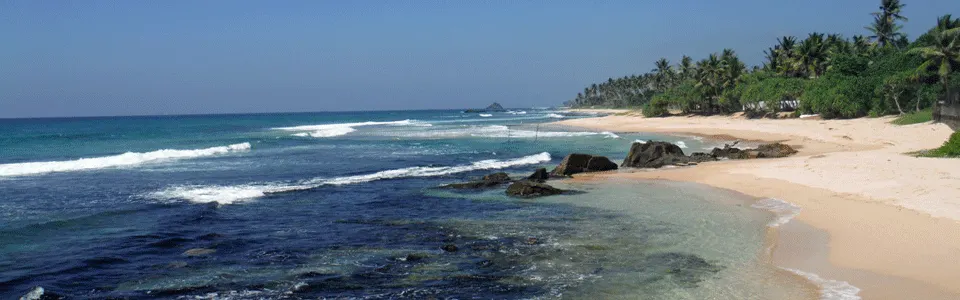
The stretch of coast between Weligama and Midigama is full of reef breaks. They’re a big step up from the sandy beginner waves of Weligama Bay, and the most rewarding waves around here. A bit of knowledge makes the difference between a great session and a trip to the pharmacy.
Before you paddle out
- Watch for at least ten minutes. Where are people taking off? Where is the channel they paddle back through? Where does the wave close out?
- Check the tide. Reef breaks change completely with the tide. Low tide often means shallow, sharp reef on the inside. If you don’t know the spot, ask a local or ask us at breakfast.
- Be honest about your level. If you’re still nose-diving on the beach break, the reef will wait.
Protect yourself
- Wear reef boots when the tide is low or if you’re new to a spot.
- Fall flat and shallow. Never dive head first. Try to land on your back or bottom, with your arms covering your head.
- Don’t stand on the reef if you can avoid it. Sea urchins are common, and the coral is alive.
- Clean cuts straight away. Reef cuts get infected quickly in the tropics. Rinse with fresh water, use antiseptic and keep them covered.
Line-up etiquette
- The surfer closest to the peak has priority. If someone is already up and riding, don’t drop in.
- Don’t snake. Paddling around someone to get inside position is bad manners anywhere.
- Use the channel. Paddle out where the waves aren’t breaking, and stay out of the way of surfers riding.
- Hold on to your board. On a reef, a loose board can hurt someone or get badly damaged.
- Respect the locals. Many local surfers have surfed these breaks all their lives. A smile and patience go a long way.
- Share the waves. Catch a few, then give some away.
Look after the coast
- Take your rubbish home, including wax wrappers and plastic bottles.
- Use reef-friendly sunscreen where you can.
- Support local surf schools, board repairers and cafés.
Where to start
Our two local breaks, Plantation and Coconut Point, are a good introduction when conditions are mellow. Lazy Left in Midigama is another friendly first reef wave. Ask us each morning and we’ll point you to whatever suits the day’s conditions and your level.